Razzle
Dazzle
"It is we who created that!"
— Pablo Picasso, 1915
Broken Perspectives
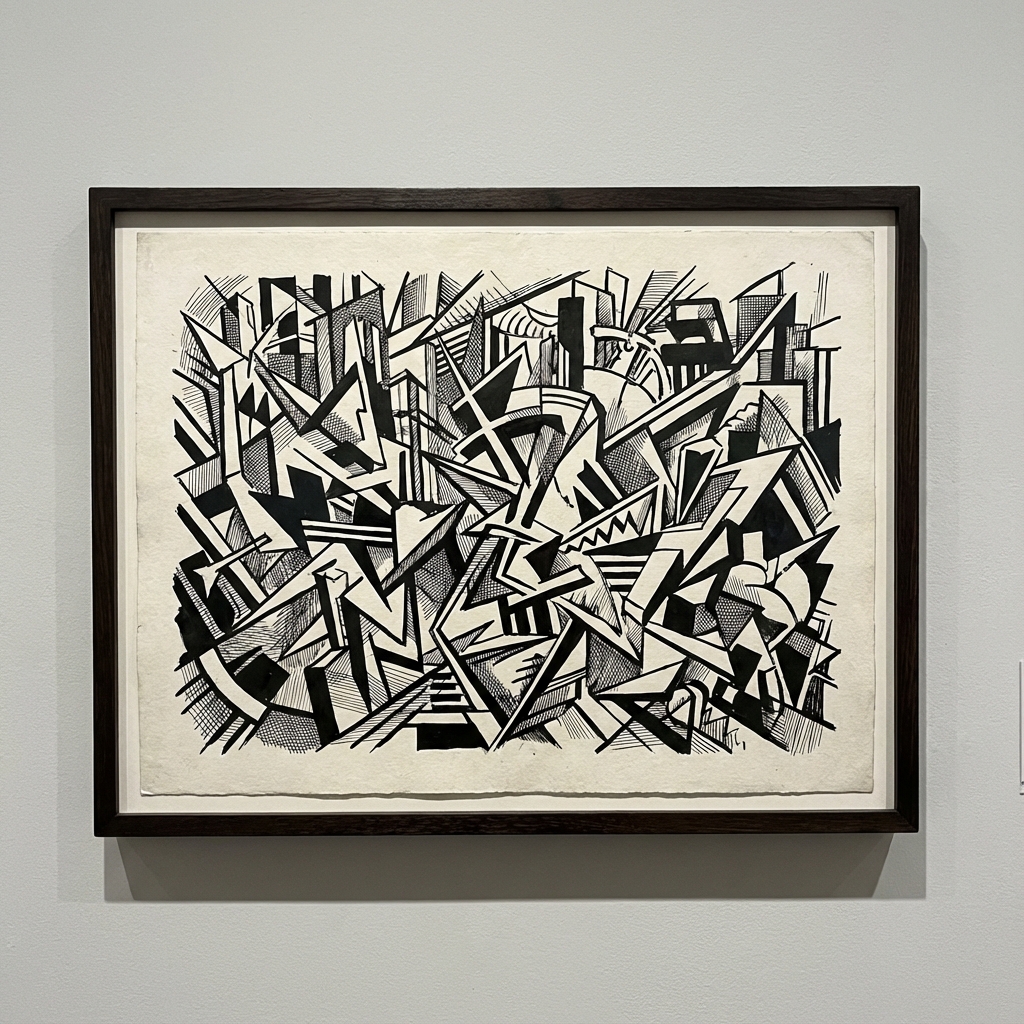
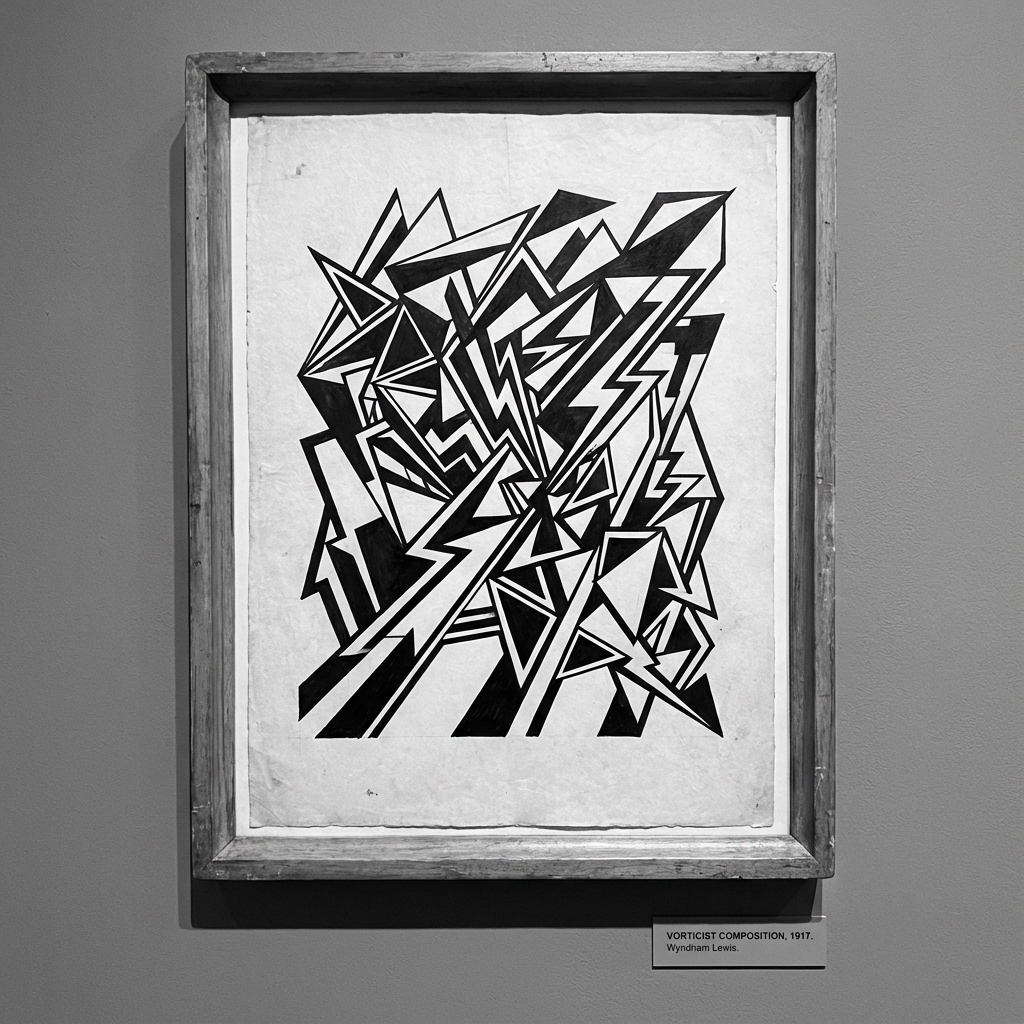
Before it was a military tactic, it was an artistic revolution. The principles of Vorticism and Cubism shattered the single perspective, arguing that reality was not a static image but a dynamic collision of angles and energy.
Picasso famously claimed credit for the concept, seeing a dazzle-painted cannon on the streets of Paris and exclaiming, "It is we who created that." He recognized the fractured geometry as the tangible application of his art.
The Art of Confusion
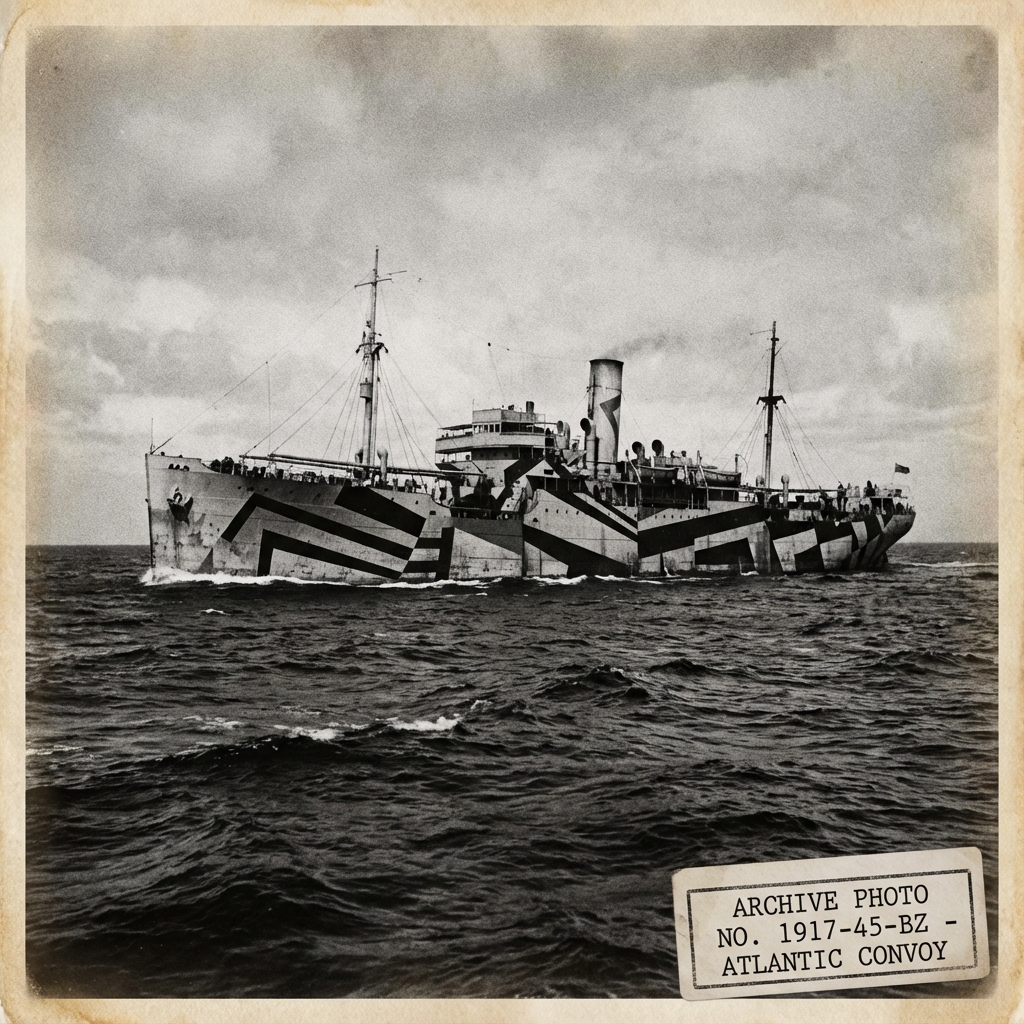
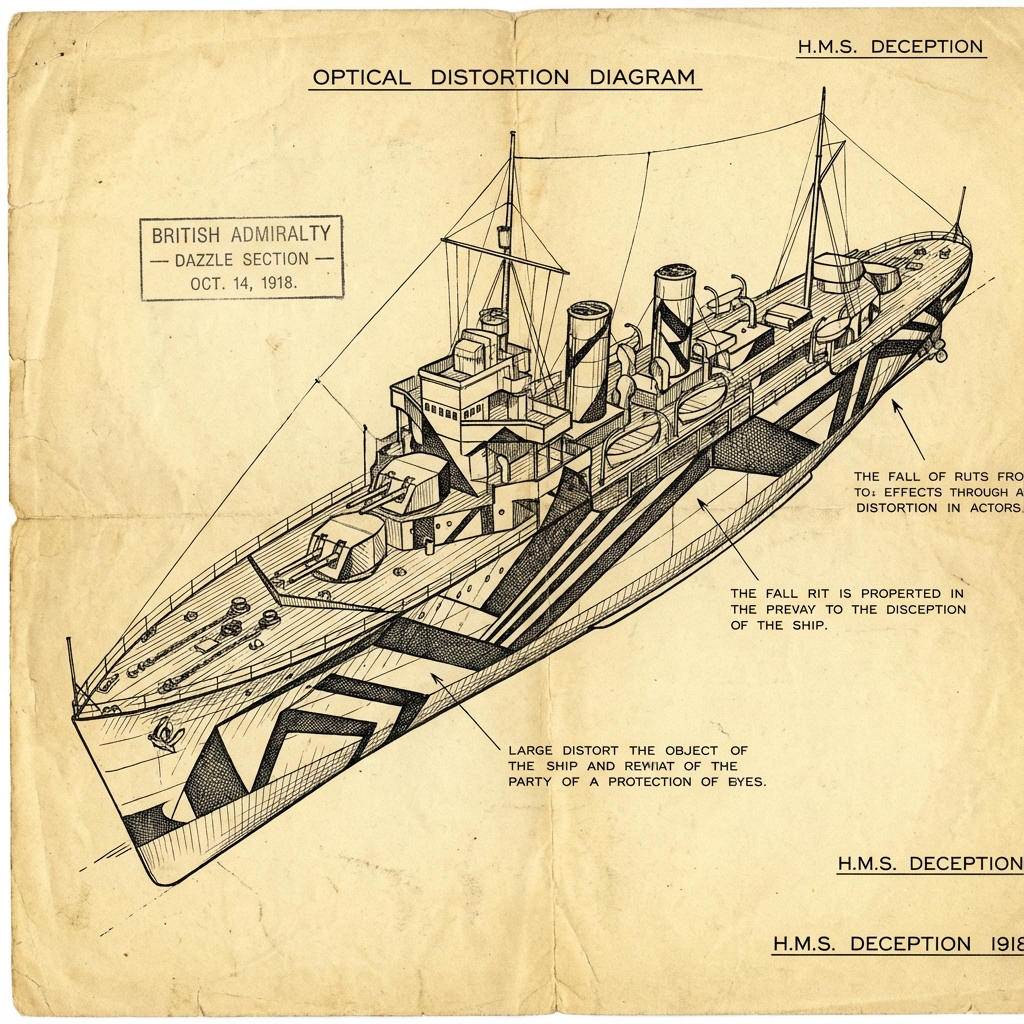
"The point wasn't to hide. It was to distort."
Norman Wilkinson's Masterstroke
British naval artist Norman Wilkinson realized that since you couldn't hide a massive ship on the open ocean, you had to change the question. Instead of concealment, he chose confusion.
The RMS Olympic Story
The most famous success was the RMS Olympic (sister to the Titanic). In 1918, a U-boat captain, confused by the pattern, miscalculated the ship's heading. He fired his torpedoes where he thought the stern was—but missed. The Olympic turned and rammed the submarine, becoming the only merchant vessel in WWI to sink an enemy warship.
The Dazzle Ball
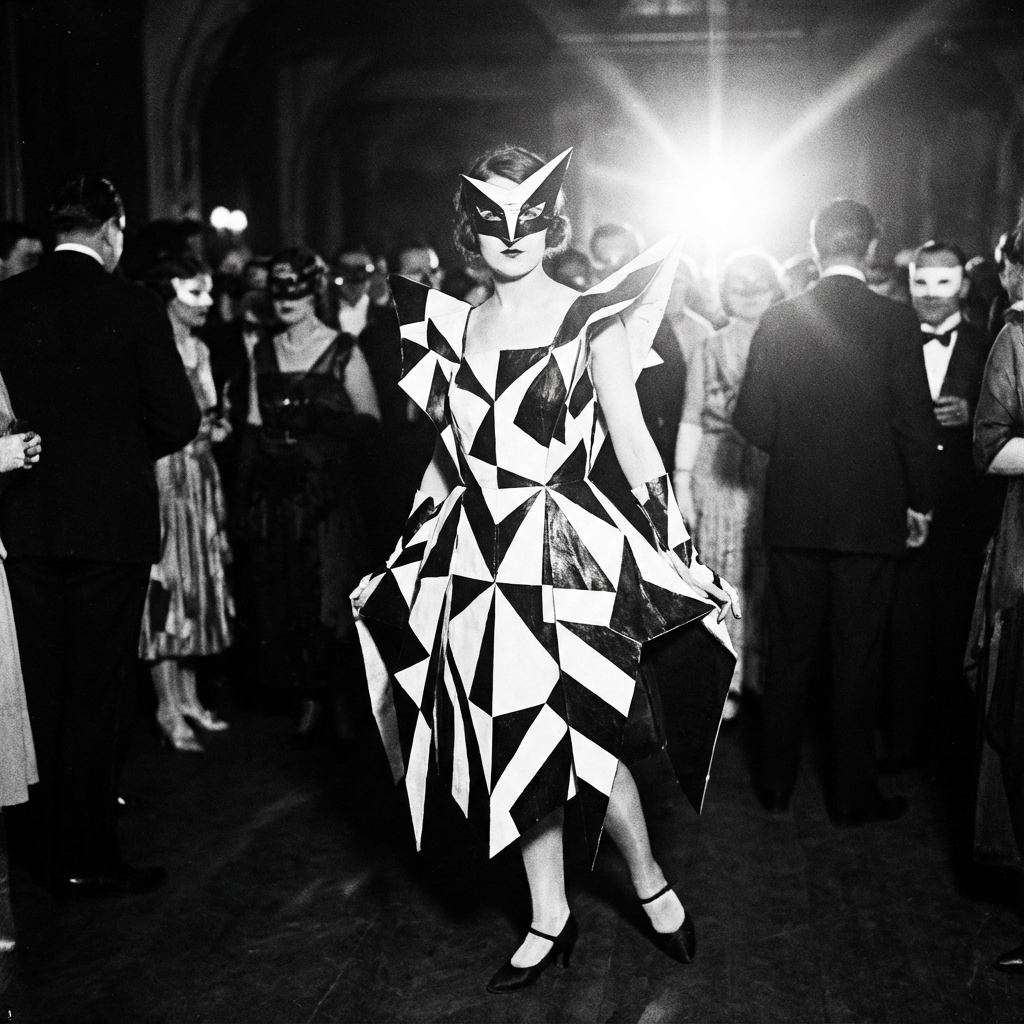
On March 12, 1919, the Chelsea Arts Club in London hosted the "Dazzle Ball". It was a way to "exorcise with laughter" the darkness of the war.
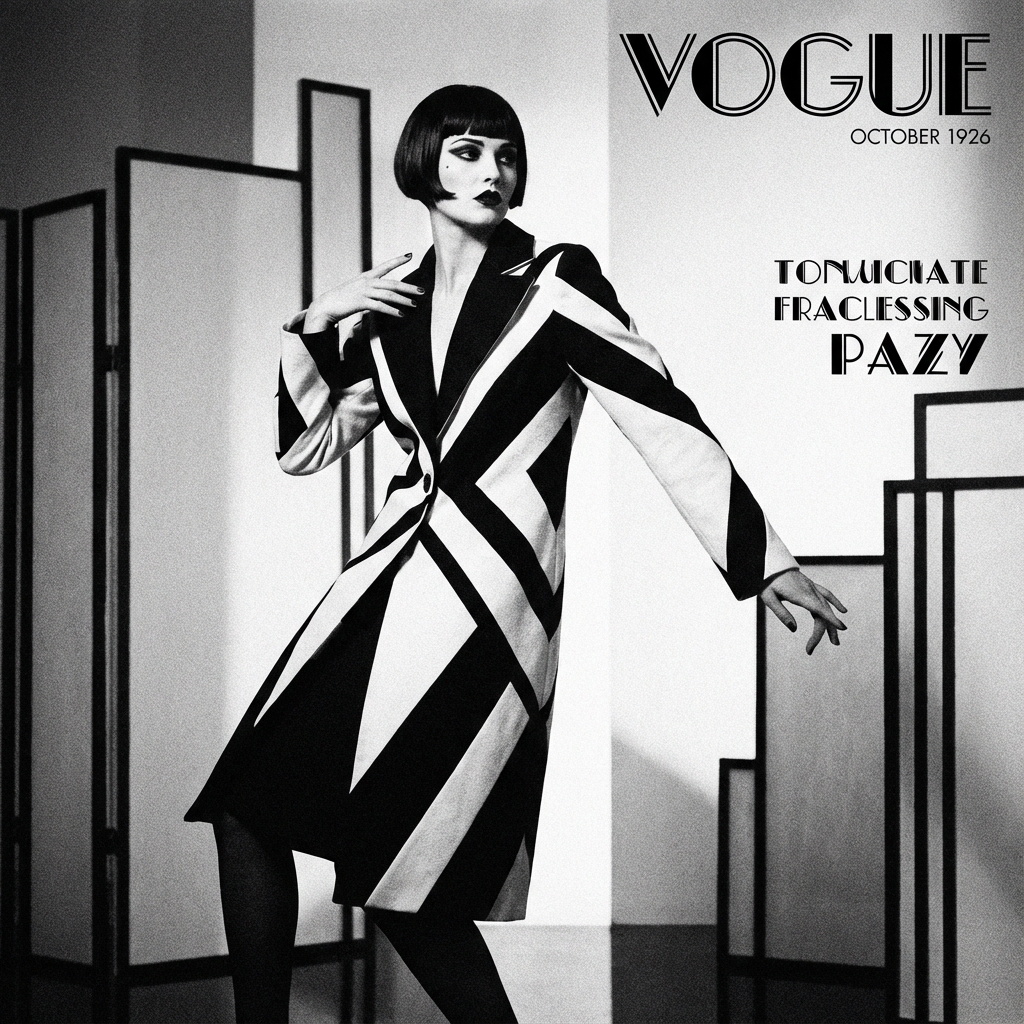
Avant-garde artists and socialites arrived in black-and-white geometric costumes that turned the ballroom into a living optical illusion. This moment marked the transition of Dazzle from a survival tactic to a high-fashion statement.